Debunking 4 Common Memory Loss Myths

Memory concerns affect millions of families, yet widespread myths continue to create unnecessary fear and confusion. These misconceptions often prevent older adults and their families from seeking proper support or understanding the difference between normal age-related changes and more serious conditions like dementia. 

Our team at The Monarch Senior Living addresses some of the most persistent memory loss myths and exposes the truth behind them. By understanding the facts, families can make informed decisions about memory care options and find peace of mind through proper support systems.

Myth 1: All Memory Loss is Alzheimer’s

Older woman with dementia

Not all memory changes mean Alzheimer’s disease. Misplacing items or temporarily forgetting names could be signs of normal age-related forgetfulness. However, symptoms of dementia commonly occur more frequently and affect daily life. These symptoms may include placing items in unusual locations, having trouble completing familiar tasks, or getting lost in known areas. Other conditions like depression, medication side effects, or vitamin deficiencies can also cause memory changes and are often reversible with treatment. Proper evaluation is crucial to identifying and addressing the underlying cause of memory loss.

Myth 2: Memory Loss is Untreatable

Memory loss isn’t always untreatable. Medications can help manage early-stage Alzheimer’s, and addressing reversible causes, such as a vitamin deficiency, often restores normal function. Therapies such as cognitive rehabilitation, speech therapy, and occupational therapy can support independence and enhance day-to-day life. Additionally, physical activity plays a vital role in brain health.

Memory care communities like ours offer structured routines and personalized care plans, enabling families to enhance cognitive wellness through early intervention and ongoing support.

Myth 3: Only Older Adults Experience Memory Loss

Memory issues can affect any age group. Younger adults may experience memory challenges due to stress, anxiety, depression, or head injuries, while some genetic conditions cause early-onset dementia. Chronic stress and depression can mimic cognitive decline, underscoring the need for attention regardless of age. Brain injuries from accidents or concussions can also lead to lasting memory issues.

Myth 4: There’s Nothing You Can Do to Prevent Memory Loss

Memory decline isn’t inevitable. Physical exercise, such as daily walking, increases blood flow to the brain and promotes the formation of neural connections. Mental stimulation, social engagement, and a brain-healthy diet all play key roles in cognitive health. Quality sleep and managing chronic conditions like diabetes or hypertension further support brain function.

How Our Memory Care Communities Can Help

Older woman with dementia in memory care

At The Monarch, our memory care communities throughout Texas and Nevada are designed to enhance the lifestyles of residents living with Alzheimer’s, dementia, and other memory-related conditions. By working closely with each resident and their family, we gain a deep understanding of their individuality, allowing us to create customized care plans that support overall well-being. 

Our highly trained caregivers use proven therapies to help residents manage memory loss with dignity and grace. Through specialized knowledge and compassionate care, our team addresses the challenges of cognitive decline while providing an enriching, structured setting. Programs are thoughtfully designed to strengthen both the mind and body, offering meaningful connections, mental stimulation, and opportunities for personal growth.

Safety and security are at the heart of our memory care services, ensuring peace of mind for families. The Monarch provides 24-hour health monitoring, security, and daily living assistance, allowing residents to live with confidence and comfort. With a holistic approach to wellness through our Valeo™ memory care programs, our dedicated team aims to slow cognitive decline while offering residents the chance to pursue their passions and enjoy a fulfilling life.

Families can rest assured knowing their loved ones are in a supportive community that prioritizes their overall well-being, physical safety, and emotional health. Here, every aspect of care is thoughtfully designed to ensure comfort and security, while also fostering meaningful connections and engagement. From personalized support to enriching programs, we are dedicated to making every step of their journey fulfilling and purposeful.

Taking the Next Step Forward

Understanding the truth behind these memory loss myths empowers families to make informed decisions about care and support options. Memory changes don’t have to define or limit someone’s potential for meaningful experiences and connections.

Don’t let myths and misconceptions guide important care decisions. Contact us to learn more about our memory care communities and how we can support your family’s unique needs and goals.

Art Therapy and Dementia: Exploring the Benefits for a Sharper Mind

Art has long been celebrated for its ability to inspire creativity and self-expression. For individuals with dementia, however, art takes on a deeper, more profound role. Through the therapeutic power of art, individuals can experience moments of clarity, joy, and connection that transcend the cognitive challenges they face.

Our team at The Monarch Senior Living explores the benefits of art therapy in dementia care, types of art ventures that work well, and actionable tips for implementing creative sessions to enhance the well-being of individuals with memory loss.

What is Art Therapy?

Art therapy is a guided practice that uses creative ventures to promote emotional, cognitive, and social well-being. For people living with dementia, art therapy offers an effective way to address the unique challenges posed by memory loss, such as diminished communication skills and heightened anxiety. Unlike verbal communication, which becomes increasingly difficult, art offers a universal language of shapes, colors, and textures. It can prompt emotions, spark memories, and ease frustration in ways that words cannot.

Research increasingly supports the growing relevance of art therapy in dementia care, as it demonstrates clear benefits for improving cognitive function, reducing stress, and fostering a greater sense of connection with others. Most importantly, it allows individuals to regain a sense of identity and purpose through creativity.

Types of Art Ventures for Individuals with Dementia

Painting

Painting, whether using watercolors or acrylics, provides a gentle yet stimulating form of expression. The act of applying a brush to canvas allows individuals to channel emotions in an empowering way. Even those with limited mobility can enjoy the soothing, repetitive motions of painting, and the bright colors often evoke positivity.

Drawing

A pencil and a piece of paper have more therapeutic power than one might think. Drawing, even simple sketches or doodles, can improve hand-eye coordination and fine motor skills. This art form encourages focus, offering a way for individuals to center their attention in the present moment, which can be particularly helpful for easing restlessness.

Clay Modeling

There’s something grounding about working with clay. Its tactile, malleable nature provides a unique experience that promotes relaxation and sensory engagement. Shaping and modeling clay helps strengthen motor skills and allows the artist to create something tangible, fostering a sense of achievement.

Cognitive Benefits of Art Therapy

Memory Stimulation

Creative endeavors often sharpen memories. For example, painting a familiar scene from one’s hometown or creating a collage about childhood hobbies encourages reflection and storytelling. This newfound connection to past experiences provides both comfort and cognitive stimulation.

Enhanced Focus and Attention

Participating in art ventures requires focused effort. Whether selecting colors for a painting or pressing clay into a specific shape, art enables moments of concentrated thought and flow, which can help reduce feelings of disorientation.

Problem-Solving Skills

Art is inherently about decision-making. Individuals decide how to approach a blank page, what colors to use, or how to shape an object. These problem-solving elements, even in their simplest form, help engage critical thinking skills in a supportive and enjoyable way.

Emotional and Psychological Impact of Art

Stress Reduction

When words fail, emotions often remain bottled up. Art provides an outlet for those emotions, enabling individuals to express feelings through creative means. Pursuits like painting or working with clay promote relaxation and can significantly reduce anxiety or agitation.

Improved Self-Esteem

The process of creating something beautiful instills a sense of accomplishment. This tangible result fosters confidence and boosts self-worth, empowering individuals to feel proud of their abilities and creations, however simple or complex they may be.

Social Interaction

Art has a way of bringing people together. Group art sessions encourage individuals to share stories, compliment each other’s work, and interact in meaningful ways. These connections combat isolation and help nurture a sense of belonging within a community.

Art Therapy and Dementia at The Monarch

At The Monarch Senior Living communities, art therapy is woven into our memory care programs to promote joy, engagement, and creativity in residents. Our team understands how therapeutic art can transform the daily lives of those living with dementia, and we make it a priority to integrate meaningful, creative sessions into their routines.

Our signature programs, such as Create & Compose, focus on holistic memory care, helping individuals with Alzheimer’s disease and other forms of dementia thrive. This specific program encourages residents to engage in painting, playing music, and other creative outlets to promote relaxation, reduce stress, and bring joy to their daily lives.

What’s unique about our memory care program is the attentiveness of our dedicated team members. They guide and support residents through each venture, ensuring no one feels left behind. Beyond the art itself, these sessions create opportunities for connection, camaraderie, and joy among residents.

Explore the Possibilities of Art Therapy

Seniors in an arts and crafts class

The connection between art therapy and dementia is undeniable. From fostering cognitive stimulation to reducing stress and enhancing social connections, creative expression offers a powerful way to enrich the lives of individuals with memory impairment.

If you’re curious about how art therapy could make a difference for someone you care about, we invite you to reach out to our team at The Monarch Senior Living. Discover how our personalized memory care programs incorporate creativity, compassion, and expertise to cultivate moments of joy and connection every day.

How Memory Care in Henderson, Nevada, Fosters Lifelong Learning

Caring for someone with memory impairment comes with a profound goal—to ensure they feel safe and valued. At The Monarch at Henderson, we believe that memory care extends far beyond physical well-being. It includes nurturing the mind, honoring past experiences, and creating opportunities to engage with the world in meaningful ways. By incorporating continued learning and intellectual stimulation into our memory care programs in Henderson, Nevada, we aim to enrich the lives of those we serve and provide their families with peace of mind.

Our team is taking you through how we integrate opportunities for cognitive engagement within our particular community. From tailored programs and ventures to curated resources, we’re helping individuals maintain their sense of purpose and joy.

The Importance of Cognitive Engagement 

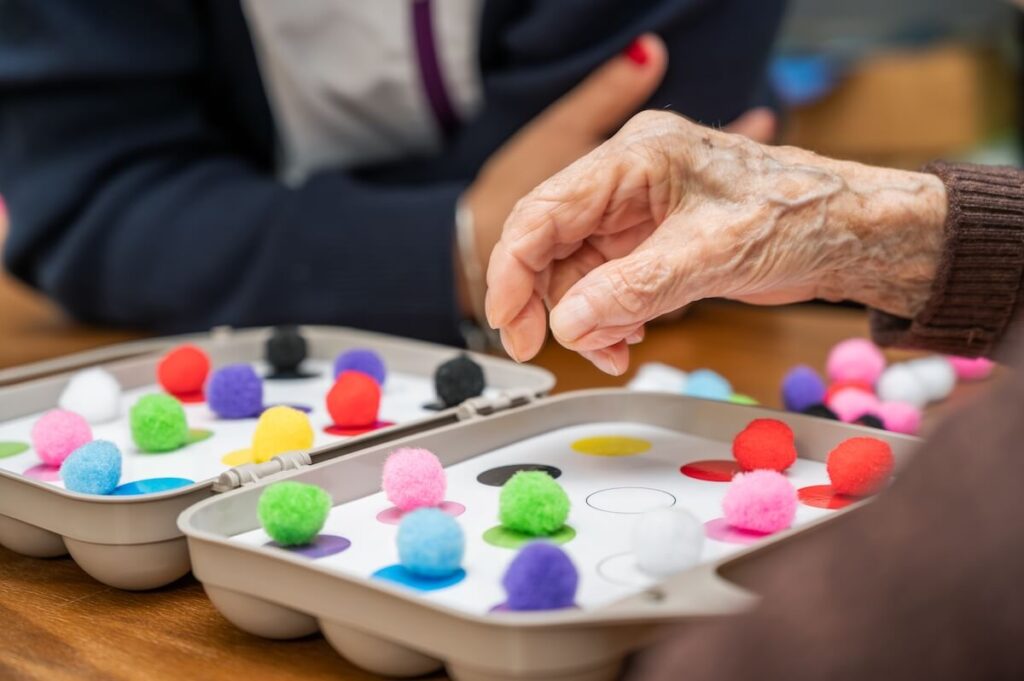
Caregiver helping a resident with dementia put together a puzzle

When someone moves to a memory care community, it signifies a significant step toward prioritizing specialized support tailored to their unique needs. Cognitive engagement is a critical part of this care. Research indicates that ongoing learning can have a profound impact on memory, cognitive resilience, and emotional well-being. Purposeful hobbies like problem-solving, storytelling, and creative expression stimulate areas of the brain that might otherwise become underutilized. 

Additionally, engaging in intellectual pursuits can enhance emotional well-being. Memory-related conditions often bring moments of frustration, but rediscovering the ability to learn and connect sparks a sense of achievement and joy. This process brings renewed confidence, overall positivity, and sometimes even slows cognitive decline. The best memory care programs recognize these benefits and create personalized opportunities for growth and development.

At our memory care community in Henderson, Nevada, these principles are at the heart of our philosophy. By combining expert knowledge with compassionate care, The Monarch at Henderson strives to uplift each resident, regardless of their condition. 

Programs at The Monarch at Henderson 

Every individual experiencing memory impairment deserves care that reflects their unique history, capabilities, and passions. This is why our team at The Monarch at Henderson provides personalized memory care support through Valeo™ signature programs, designed to honor each resident’s unique history, strengths, and abilities. With a focus on lifelong learning, the program incorporates creative workshops, guided discussions, and cognitive exercises to support residents’ cognitive and emotional well-being while fostering growth and joy. 

Our commitment to lifelong learning is further supported by our Salus™ wellness philosophy, which emphasizes the four components of wellness: physical, social, intellectual, and spiritual. By centering our care around these components, we help residents stay active, engaged, and intellectually challenged. Whether they participate in physical exercises, join social gatherings, or engage in spiritual practices, residents are consistently provided with opportunities to grow. This comprehensive approach ensures that every individual in our community has the opportunity to strengthen relationships, cultivate new interests, and nurture their spiritual growth.

Ventures That Promote Cognitive Engagement 

What sets The Monarch at Henderson apart is our focus on creating ventures that integrate continued learning into daily life. Education isn’t confined to a classroom or a workshop space. Instead, we bring it into the settings individuals enjoy every day. 

From guided gardening sessions where residents learn new facts about native plants to community cooking demonstrations that explore recipes from around the globe, intellectual engagement intertwines with everyday moments. These ventures are as much about sparking curiosity as they are about creating memories and improving cognitive function. 

The incorporation of sensory-based programming stands out among our efforts. Programs are designed to activate different regions of the brain by engaging the senses of taste, touch, smell, and sound. Sensory gardens, aromatic cooking adventures, and tactile recreations of outdoor landmarks not only enhance mental acuity but also foster emotional comfort. 

Resources for Intellectual Stimulation 

We are committed to ensuring everyone has access to a wealth of resources for intellectual and cognitive engagement. Each resident has their own learning style and pace, so our curated list of resources is designed to accommodate a variety of interests. 

Our on-site library is stocked with books, magazines, and materials that cater to a range of attention spans and comprehension levels. Short-story collections, large-print books, and photography-heavy editions invite residents to engage in ways that feel comfortable to them. 

Technology also plays a key role. Interactive tools, such as touchscreens and tablets, host programs designed specifically for memory care. These devices allow residents to explore puzzles, games, and virtual experiences independently or with their families. Educational modules and brain games are carefully selected to challenge cognition while remaining accessible and enjoyable. 

Beyond physical resources, our caregivers and team members remain our most vital assets. They are trained to provide ongoing guidance, suggest new ideas, and adapt materials to each resident’s evolving needs. This type of support fosters not only learning but also a sense of achievement and a sense of belonging. 

Creating a Life of Purposeful Engagement 

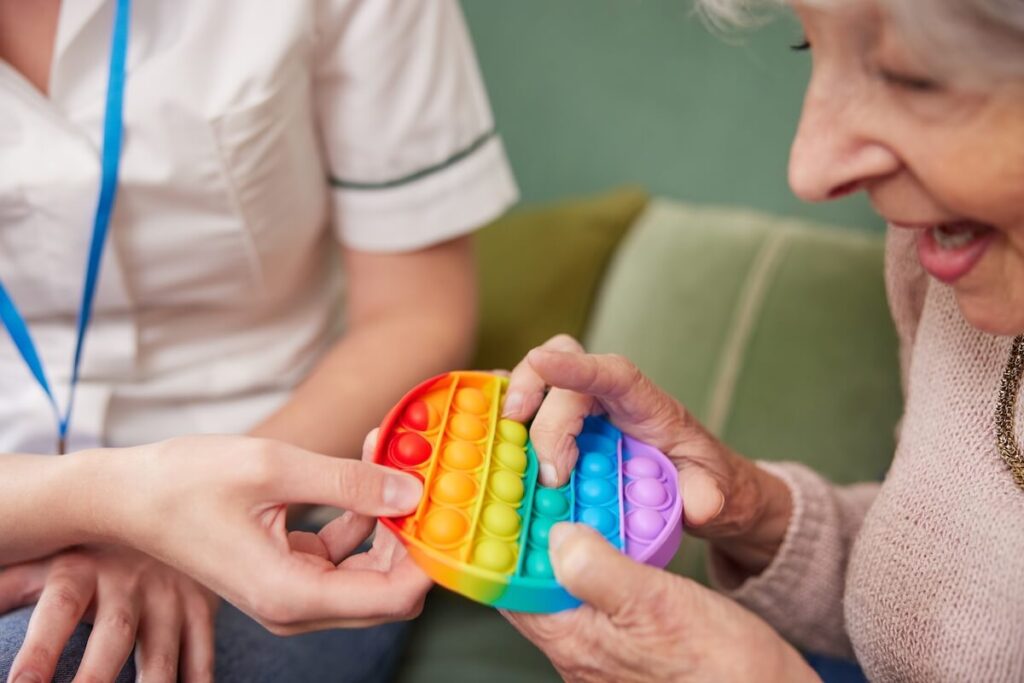
Happy older woman with dementia using a colorful toy for cognitive stimulation

Choosing memory care in Henderson, Nevada, goes far beyond finding a safe and comfortable place for someone you care about. It’s about fostering a sense of purpose and connection that enriches daily life. At The Monarch at Henderson, intellectual and cognitive engagement are foundational elements of how we care for each individual.

If this approach to memory care aligns with your vision for supporting a family member, schedule a tour to discover more about all that The Monarch at Henderson has to offer. Together, we can create a meaningful and fulfilling chapter in your family member’s life. 

The Benefits of an Established Routine for Those with Dementia

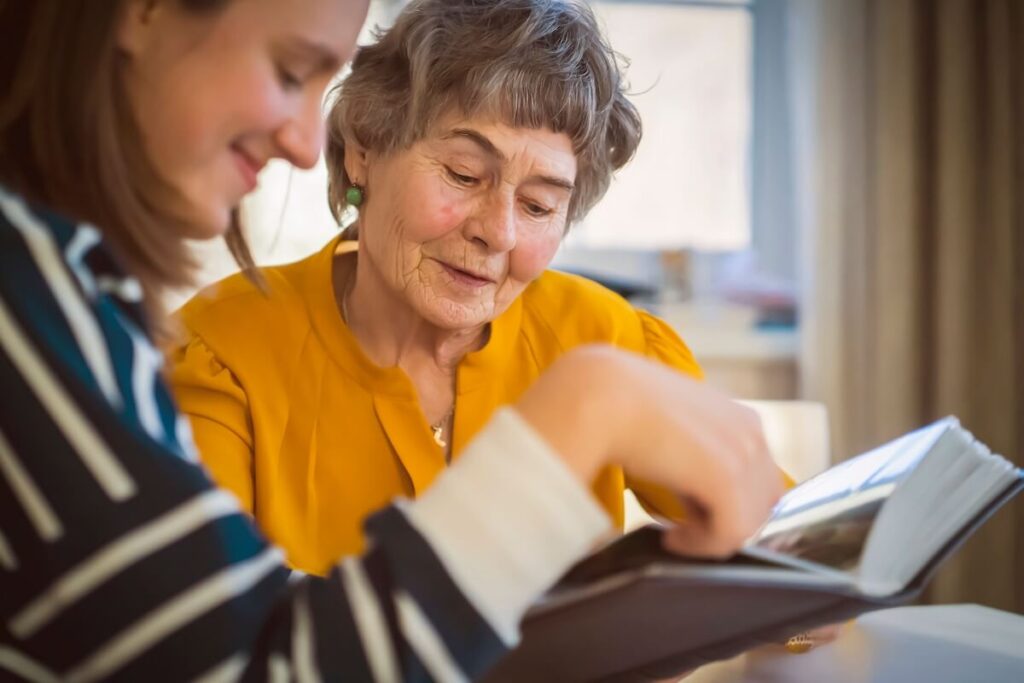
An adult daughter reading a book to her elderly mother

Caring for a parent with dementia involves navigating a world of uncertainty. Dementia, characterized by a decline in cognitive function, memory loss, and behavioral changes, can leave older adults feeling disoriented and anxious. For those managing a parent’s care, the challenges can feel equally overwhelming. However, one solution is both simple and powerful: establishing clear structures and routines.

By providing a predictable framework for daily life, routines offer support, calmness, and stability in numerous impactful ways. Our memory care team at The Monarch Senior Living explores the benefits of routine for individuals with dementia and provides practical ways to integrate these principles into care settings.

Five Benefits of Routine

  1. Reducing Confusion and Anxiety

For individuals with dementia, a familiar and predictable routine provides a sense of security, helping them navigate unfamiliar surroundings. When daily programs such as mealtimes, personal care, or leisure ventures occur at consistent times and locations, they create patterns that become recognizable, even to those with memory challenges.

Structured routines reduce decision-making stress and allow individuals with dementia to focus on the present moment with greater calmness. This predictability minimizes the anxiety they may feel about what might come next and helps reduce behavioral challenges often triggered by confusion or disruptions. A peaceful setting where predictability rules can foster emotional stability and a sense of safety.

  1. Improving Overall Well-being

When individuals with dementia maintain a consistent daily schedule, key aspects of health, such as regular meals, hydration, physical movement, and rest, are maintained more effectively. For example, predictable meal schedules ensure individuals receive the nutrition they need, while regular physical ventures like gentle stretching or short walks support muscle strength and circulation.

The emotional benefits of routine in memory care are equally significant. Older adults with dementia benefit from the comforting rhythm of a well-designed day. The dependable cadence of anticipated programs can elevate mood, stabilize emotions, and create an overall sense of satisfaction.

  1. Enhancing Cognitive Function

Predictable patterns have been shown to help stimulate and reinforce declining faculties. Regularly repeating tasks, such as dressing, grooming, or enjoying familiar music, engages the cognitive pathways that remain active. Established schedules also encourage mental engagement by offering opportunities to observe, recognize, and anticipate what comes next.

For instance, an older adult who attends a creative program every morning might begin to recall and look forward to these experiences over time. These gentle yet consistent interactions with familiar routines often help rekindle a flicker of memory, providing a sense of accomplishment and purpose.

  1. Promoting Independence

Practicing the same routines daily allows older adults to perform certain tasks independently, reinforcing their confidence and autonomy. For example, knowing that getting dressed for the day always follows breakfast might encourage an individual to take initiative without new prompts.

  1. Supporting Social Interaction

Structured group programs, designed to encourage social interaction, offer numerous benefits, including reducing loneliness and stimulating mental and emotional connections. When predictable times are set aside for group undertakings—like creative expression, conversations, or shared meals—it becomes easier for individuals with dementia to engage. Familiar faces and repeated interactions build trust and strengthen social bonds. These programs also provide valuable opportunities for laughter, friendship, and the joy of connection.

How to Establish and Maintain Routines for a Parent

  1. Start by observing patterns in your parent’s current behavior. Identify natural rhythms in their day, such as when they tend to feel hungry, energetic, or tired. Use this information as a foundation for structuring routines that feel comfortable and intuitive.
  2. Once routines are established, consistency is key. Keep schedules as stable as possible, avoiding sudden changes unless absolutely necessary. Predictable timings for meals, personal care, and engaging activities will reinforce a familiar rhythm.
  3. To enhance involvement and independence, use visual or tactile cues. A labeled calendar, simple pictures, or color-coded objects can provide gentle reminders of what comes next. For instance, placing a favorite book next to a reading chair can signal that it’s time to read, while a colorful plate at the dining table may indicate that it’s time for a meal.
  4. While routines provide structure, they must also be flexible enough to accommodate an individual’s varying moods and energy levels. Build in periods of quiet and relaxation, leaving room for self-paced ventures or exploration. This adaptable approach ensures that routines remain a helpful tool rather than a rigid expectation.

A caregiver helping an older adult with a puzzle

The power of structure and predictability lies in their ability to replace uncertainty with stability. At The Monarch Senior Living, our memory care professionals take the time to truly understand each resident and their family, learning about their past, their present, and what makes them unique. With this holistic understanding, we craft personalized care plans designed to nurture every aspect of their well-being, ensuring they feel supported, valued, and engaged.

With thoughtful planning and compassionate action, the numerous benefits of routine can extend to not only the lives of older adults with dementia but also to the lives of those who care for them. Connect with our memory care team today and explore how our structured programs and person-centered approach can enhance your parent’s lifestyle!

The Connection Between Music and Dementia

A dementia diagnosis brings many challenges, reshaping the lives of older adults and their families. Dementia affects a person’s memory, ability to communicate, and sense of connection to family, friends, and cherished moments. However, within these challenges lies an extraordinary opportunity to tap into a deeply personal and powerful tool: music. 

More than mere melodies, music can awaken memories, create joyful connections, and soothe agitation. Our team at The Monarch Senior Living explores these remarkable effects and shares how our memory care programs can bring the restorative power of music into residents’ daily lives. 

The Innate Connection Between Music and the Mind 

A smiling older adult with headphones

Music has an unparalleled ability to forge profound connections within the human brain. Scientific research continually reveals how music activates regions associated with memory, emotion, and attention, often remaining accessible even when other cognitive functions diminish. It assists in the management of agitated behaviors and has shown modest cognitive benefits. 

The innate connection between music and the mind makes it an especially powerful tool for individuals living with dementia. Whether through rhythm, melody, or lyrics, music often becomes a bridge to emotions and experiences once thought lost. 

7 Remarkable Benefits of Music for Individuals with Dementia 

Enhancing Mood and Emotional Well-Being 

Music has an extraordinary way of uplifting spirits. A familiar song can infuse joy and tranquility into moments otherwise filled with uncertainty. Whether it’s a classic lullaby or a childhood favorite, these melodies can soothe anxieties and evoke peacefulness. For example, many families have seen their relatives beam with an unexpected smile during a rendition of an old tune, an emotional connection sparking life into their day. 

Encouraging Movement and Physical Activity 

With its inherent rhythms, music inspires physical expression. Even something as simple as tapping a foot, clapping, or swaying to the beat fosters movement. Rhythmic melodies can encourage older adults to participate in exercises or gentle dances, promoting better mobility, circulation, and overall physical wellness. 

Unlocking Memories and Emotional Connections 

Few things evoke cherished memories like music. Hearing a wedding song, a hymn, or a lullaby sung to one’s children can instantly transport someone to a vivid moment in time. These moments foster emotional connections and instill a sense of continuity, reminding those with dementia of their life’s story and treasured experiences. 

Promoting Socialization and Engagement 

Music is a communal language, inviting individuals to share moments of joy and connection. Group sing-alongs or instrumental ventures often encourage a sense of community. For someone living with dementia, the act of singing with others can spark laughter, shared memories, and meaningful interaction, tying bonds in a way words alone cannot achieve. 

Reducing Agitation and Restlessness 

The disorientation accompanying dementia can bring about feelings of agitation. Calm, melodic tunes have been shown to diminish restlessness and create a serene space conducive to relaxation. A soothing piece of classical music or a soft instrumental track can help alleviate distress, offering both comfort and balance. 

Improving Sleep Patterns 

Challenges with disrupted sleep are common for those living with dementia. Incorporating relaxing music, especially in the evening, fosters a setting of tranquility that supports better sleep. A gentle lullaby or nature-inspired soundscapes before bedtime may help guide individuals into restorative rest. 

Providing Cognitive Stimulation 

Music engages the brain in ways that stimulate curiosity and mental activity. Learning new songs, recalling lyrics, or playing basic rhythm-based instruments can offer mental exercises that keep individuals cognitively active. These enriching experiences help sustain key cognitive functions while fostering joy. 

Music in Action: The Monarch’s Memory Care Programs 

At The Monarch Senior Living, we recognize that memory care involves more than meeting medical and physical needs—it requires creating an experience of connection and comfort. That’s where music comes in as one of the many thoughtful practices we incorporate to uplift and inspire residents. 

Our Valeo™ signature programs are specifically designed to bring joy and fulfillment to individuals living with memory impairments, including Alzheimer’s disease and other types of dementia. Each program is carefully tailored to highlight every individual’s unique strengths, offering meaningful opportunities to engage, explore, and pursue personal interests.

One of these programs, Create & Compose, offers residents the opportunity to engage in hobbies like playing music or painting. These hobbies inspire self-expression while promoting mental well-being. Beyond their therapeutic effects, art and music provide an avenue for relaxation, comfort, and stress relief. 

The Melody of Compassionate Care 

An older woman with dementia wearing headphones

The harmony between music and dementia care creates opportunities for connection, joy, and healing that transcend other forms of engagement. At The Monarch Senior Living, music is at the heart of our memory care programs, and we celebrate its ability to inspire moments of clarity and delight. 

If you are seeking ways to enrich the life of a family member living with dementia, consider starting with the gift of music. Contact us at The Monarch Senior Living to explore all the ways good melodies can improve a parent’s lifestyle. 

How to Talk to a Family Member About Memory Concerns

Addressing memory concerns with a parent or relative can be a deeply emotional and challenging experience. It often involves confronting changes in someone you care about and navigating the uncertainty of what lies ahead. However, initiating a conversation early with compassion and sensitivity is critical for identifying potential memory issues and taking steps toward supporting your relative’s health and well-being. 

Our team at The Monarch Senior Living takes a step-by-step approach to discussing this topic, helping you assess the situation, create a comforting space for discussions, and actively explore the best options for your family. 

Step 1: Assessing the Situation 

Adult son talking to his father

The first step is to observe and gather information about your parent’s memory, thinking, and behavior. Subtle changes can often be early indicators of evolving memory challenges. These signs may include forgetfulness, difficulty completing familiar tasks, misplaced items, confusion about time or place, or noticeable shifts in mood and personality. 

It’s important to document these signs over time. Note specific examples, the frequency of occurrences, and the context in which they occur. This record can provide valuable insights into the patterns and progression of changes, which will be helpful during discussions with your family member’s healthcare provider. 

Pay close attention to changes that may disrupt their daily tasks, social interactions, or overall lifestyle. Remember, memory concerns may not always signal dementia but could stem from other factors such as stress, sleep issues, or even certain medications. 

Step 2: Setting the Place and Time for the Conversation 

Once you’ve carefully assessed the situation, it’s time to plan a conversation with your parent. Timing and setting play essential roles in helping the discussion feel safe and constructive. Choose a time when your parent is at their most relaxed and comfortable, such as after breakfast or during a calm afternoon. Similarly, pick a quiet, familiar space where they feel at ease and can engage without distractions. 

During the conversation, share your observations with kindness, respect, and empathy. For example, you might say, “I’ve noticed you sometimes forget where certain items are kept, like the house keys, and I’m a little concerned. Is this something you’ve noticed, too?

Avoid trying to address everything in a single discussion. Memory concerns can bring up complex emotions, and your parent may need time to process the conversation. Be prepared for resistance and give them space to express themselves. You may need several conversations over time to explore your concerns and work toward an understanding fully. 

Step 3: Explore Options Together 

Once you’ve had initial discussions, the next step is to explore care options and decide on a course of action together. Addressing your concerns openly with a healthcare professional is a good starting point. A primary care doctor or neurologist can evaluate your parent’s memory concerns and recommend further steps, such as testing, lifestyle adjustments, or treatment plans. 

If discussions lead to additional support, our memory care communities in Texas and Nevada offer personalized solutions designed to enhance well-being while addressing cognitive challenges. Through expert care, engaging programs, and social opportunities, The Monarch Senior Living creates an enriching setting for older adults with memory-related concerns. Touring one of our memory care communities with your parent can help demystify the idea of the move and highlight the potential benefits.

Our Memory Care Communities Are Here to Help 

At The Monarch Senior Living, we believe memory impairment doesn’t limit someone’s ability to live a meaningful and fulfilling life. Each of our memory care communities in Texas and Nevada prioritizes understanding each resident as an individual, working closely with them and their families to create personalized care plans that enhance every aspect of their well-being. With a team of professionals trained in proven therapies, we provide compassionate support and a vibrant social setting to help residents manage memory loss with dignity and grace while fostering a sense of belonging.

Our memory care programs are dedicated to promoting holistic wellness. Designed to empower individuals with memory impairments like Alzheimer’s disease and other types of dementia, these programs focus on strengths, joy, and engaging personal interests. From tailored practices to intentional community design, The Monarch enriches lives by encouraging residents to stay active, pursue their passions, and thrive as the best versions of themselves.

Take the Next Step Toward Support Today

Adult daughter talking with his father

Early conversations about memory concerns are not easy, but they are crucial to ensuring your parent receives the care and attention they deserve. By observing changes, approaching discussions with empathy, and exploring memory care options, you can make informed decisions that prioritize your parent’s well-being and happiness. 

If you’re unsure where to start or need further guidance, we’re here to help. Schedule a visit to any of our memory care communities throughout Texas and Nevada to learn more about how we can support your parent and your family. Together, we can create the best care plan for your parent’s unique needs. Supporting you and your family is what we’re here for—every step of the way.

Cognitive Tests: Why Early Dementia Detections Matter

Observing the gradual changes in a parent’s memory and cognitive abilities can be unsettling. You might find yourself wondering if their occasional forgetfulness is normal or whether it signals something more serious. Early dementia detections play a vital role in addressing these concerns. They can empower you with the steps to improve your family’s lifestyle, maximize available resources, and support your parent’s health.

Our team at The Monarch Senior Living explores the importance of early cognitive testing, the benefits of early dementia diagnosis, and how our signature memory care programs can provide invaluable support for your parent. By understanding these key aspects, you’ll be better equipped to make informed decisions that prioritize your parent’s well-being.

Early Dementia Detections: What They Entail

Brain and DNA for dementia detection

Early dementia detections involve identifying the early symptoms of cognitive decline, such as memory lapses, difficulty concentrating, or confusion. They often begin with cognitive tests administered by healthcare professionals. These assessments measure areas such as memory, problem-solving skills, and language abilities, giving a clearer picture of whether dementia might be present.

Seeking professional medical advice is essential. General forgetfulness can be a normal part of aging, but early detection through thorough testing can differentiate between typical memory loss and early stages of dementia. Remember, an early assessment provides the clarity needed to address your parent’s cognitive health with confidence.

The Benefits of Early Dementia Diagnosis

1. Getting an Accurate Diagnosis

Early testing ensures your parent receives an accurate diagnosis, distinguishing dementia from other conditions that may cause similar symptoms, such as depression, vitamin deficiencies, or medication side effects. With the correct diagnosis, you’ll allow your parent to access the right treatments and plan effectively for the future.

2. Taking Advantage of Resources and Using Treatments More Effectively

During the early stages of dementia, more treatment options are available, including medications that can slow cognitive decline, therapeutic programs, and lifestyle modifications. Early dementia detections allow you to access these interventions when they have the most impact, giving your parent a better chance of maintaining independence longer.

3. Helping Advance Research and Reducing Stigma

When individuals with dementia are diagnosed early, they have the opportunity to participate in clinical trials and contribute to medical research that could lead to breakthroughs in treatments or prevention. Early diagnosis also promotes open conversations about dementia, helping reduce the stigma surrounding the condition while building understanding and compassion.

4. Making Empowering Choices

With an early diagnosis, your parent can actively participate in discussions about their care preferences, financial planning, and legal arrangements, such as creating power of attorney documents or living wills. This collaborative approach ensures their voice is heard, fostering dignity and autonomy.

5. Focusing on What’s Important

Early dementia detections help families prioritize what truly matters. Whether it’s planning a vacation together, engaging in shared hobbies, or simply ensuring your parent’s favorite daily routines are maintained, focusing on what brings them joy becomes the center of care.

How Our Memory Care Community Can Support Your Parent

Caregiver hugging a senior

The earlier dementia is detected, the more time you have to research and plan for appropriate memory care options. From understanding the costs to visiting potential care neighborhoods, having time allows you to make mindful choices that reflect your parent’s personality, preferences, and needs. Once it becomes clear that your parent’s needs are increasing, transitioning to a memory care setting can provide the specialized support they deserve.

Our Valeo™ memory care community is designed specifically for individuals with dementia and offers signature programs tailored to cognitive stimulation, physical wellness, and emotional well-being. Above all, our goal is to help residents maximize their strengths and help them thrive. 

The Monarch Senior Living provides highly trained dementia care professionals who specialize in creating programs personalized to each individual’s needs and abilities. These include stimulating practices to engage your parent mentally and physically, ensuring they thrive in a safe and supportive setting. Managing this transition early smooths the adjustment process and strengthens the collaboration between your family and caregivers.

Taking proactive steps is one of the most impactful ways to support your parent. Early diagnosis can help families gain clarity, access effective treatments, and focus on building moments of joy and connection. 

If you notice signs of memory loss in your parent, don’t wait—schedule an appointment for cognitive testing with a healthcare provider. The sooner you take action, the more options and resources will be available to support your family’s journey. For further assistance, reach out to our memory care team at The Monarch Senior Living. We’re here to help you every step of the way!

Genetics and Dementia: Understanding Family History

When faced with a dementia diagnosis in a parent, countless questions arise. Among the most pressing is often, “Could I or another family member inherit this?” Understanding the relationship between genetics and dementia is essential for uncovering answers to this concern and empowering families to make informed decisions about care and future planning. 

Our team at The Monarch Senior Living explains dementia, the role genetics plays, and the likelihood of passing it on to children and grandchildren. We hope to provide you with a clearer understanding of this complex topic and insights into memory care solutions for your parent. 

What Is Dementia and How Are Genetics Connected? 

Dementia is a general term used to describe a decline in cognitive abilities, including memory loss, difficulty reasoning, and challenges in communication. It’s not a specific disease but rather a collection of symptoms. There are many types of dementia, such as Alzheimer’s disease, vascular dementia, and Lewy body dementia. 

While age remains the largest risk factor for developing dementia, genetics also plays a role. You may have heard of specific genes linked to dementia, sparking concern about your own risk or your children’s, but how much do genes actually influence the development of dementia? 

The Role of Genes in Dementia 

Genes that influence the development of a disease fall into two categories: risk genes and deterministic genes. Researchers have identified hereditary genes for Alzheimer’s in both of these categories.

  • Risk Genes 

Risk genes increase the likelihood of developing dementia but do not guarantee it. The most well-known of these is the APOE-e4 gene, which has been linked to an increased risk of Alzheimer’s disease, the most common type of dementia. However, not everyone with this gene develops Alzheimer’s, and many people without it do. 

  • Deterministic Genes 

Deterministic genes, on the other hand, leave no room for uncertainty. If a person inherits certain deterministic genetic mutations, they will develop a particular type of dementia. These are extremely rare and are typically tied to early-onset forms of Alzheimer’s or other inherited conditions. 

Can Dementia Be Inherited? 

Dementia can generally be divided into two categories when it comes to inheritance potential: familial and sporadic. 

  • Familial Dementia 

Familial dementia refers to cases where multiple family members, often spanning generations, develop the condition. This is usually more common with early-onset Alzheimer’s caused by deterministic genes. However, familial cases are relatively uncommon. 

  • Sporadic Dementia 

Most cases of dementia are sporadic, meaning they occur without a clear familial pattern. While someone in your family may have dementia, it doesn’t necessarily mean you or your children are destined to develop it, especially if no deterministic genes are present. 

Even if risk genes are present, environmental and lifestyle factors can heavily influence whether dementia develops. Regular physical activity, social engagement, a nutritious diet, and mental stimulation all play a crucial role in reducing overall risk. 

The Risk of Passing Dementia on to Future Generations 

When considering how dementia might impact your family’s future, it’s natural to wonder about the likelihood of passing it down. If a parent has a risk gene like APOE-e4, there is a chance it could be passed on to children. Cases tied to deterministic gene mutations, such as those causing early-onset Alzheimer’s, make inheritance more predictable but remain rare. If this kind of dementia runs in your family, genetic counseling can help assess your specific situation. Remember, genes are just one piece of the puzzle.

While genetics can’t be changed, there are steps to reduce the likelihood of dementia affecting your children and grandchildren in the future. Encouraging healthy habits like balanced eating, regular exercise, and cognitive challenges can help foster brain health across generations. 

If you’re concerned about the relationship between your family genetics and dementia or need support in caring for a family member, don’t hesitate to contact The Monarch Senior Living. Our Valeo™ memory care program prioritizes understanding each resident and their family, both in the context of who they were and who they are today.

We craft personalized care plans that address all aspects of their well-being. Our dedicated team of professionals, skilled in effective therapies, assists individuals in managing memory loss with dignity and grace. Explore our resources on memory care today and take the next step toward understanding and caring for your family’s future. 

5 Ways Memory Care Can Help Those with Dementia Embrace The New Year

Reinvention at any age begins with the intention to change and the courage to pursue it, and the dawn of a new year presents the perfect opportunity. Whether it’s pursuing a new passion or adopting healthier habits, there are countless ways to enhance well-being in this exciting time of year.

However, we understand that it can be challenging for a person living with dementia to embrace the joy and opportunities that the New Year brings along. That’s why our team at The Monarch Senior Living is sharing different ways our memory care communities empower residents to find new purpose in the New Year. 

Fostering Purpose with Meaningful Goals

Setting small, meaningful goals can bring a renewed sense of purpose and joy. As the New Year begins, our team helps residents embrace new goals—whether engaging in simple but fulfilling practices like weekly music sessions or joining a daily walking group. 

Through our Valeo™ signature programs, such as Create & Compose for art and music enthusiasts, we take a person-centered approach tailored to each resident’s unique abilities, preferences, and strengths. These thoughtfully designed programs empower residents to achieve daily accomplishments, fostering a sense of fulfillment and well-being.

Revisiting Joyful Hobbies

From painting and music to gardening and discovering new interests, The Monarch Senior Living takes pride in offering a diverse range of purposeful programs tailored to suit each resident’s unique interests and abilities. These meaningful pursuits not only stimulate the mind but also lift the spirit, foster creativity, and create moments of joy and connection every day. At The Monarch, we’re committed to ensuring every memory care resident thrives in a vibrant, engaging, and supportive community.

Focusing on Nutritious Eating

Good nutrition is essential for brain health and overall wellness, especially for individuals living with dementia. A balanced, nutrient-rich diet can support cognitive function, improve energy levels, and enhance lifestyle. 

The start of a new year is the perfect opportunity for residents in memory care to embrace healthy eating habits by incorporating more wholesome foods, such as fresh fruits, vegetables, lean proteins, and whole grains. At The Monarch Senior Living, our dedicated team works closely with residents and their families to craft balanced, delicious meals that meet their unique dietary needs. 

Building Social Connections

Social interaction plays a critical role in promoting emotional well-being, reducing feelings of isolation, and fostering a sense of belonging for individuals in memory care. Building and maintaining meaningful connections is one of the most effective ways to create a supportive and enriching setting.

At The Monarch Senior Living, our thoughtfully designed calendar of programs offers a wide range of practices that bring residents together, encouraging shared experiences and fostering lasting relationships. 

Keeping the Brain Sharp

Maintaining brain health can improve mood and boost overall health. The team in our memory care communities works closely with each resident to get a complete picture of their individuality and create a customized care plan that engages every aspect of their well-being. Whether it is through puzzles, brainteasers, and stimulating practices, older adults have a wide array of opportunities to stay mentally active, provide a sense of accomplishment, and embrace the opportunities that this New Year brings along. 

The Monarch’s memory care communities help residents embrace each day with purpose and joy, creating moments that matter. As the New Year begins, it’s the perfect time to help someone you love start fresh with tailored care, engaging programs, and a supportive setting designed just for them. Learn how we can help your family discover a new chapter full of connection and possibilities—contact our team today.

How to Talk About Memory Concerns with a Family Member

Aging brings a unique set of challenges, particularly when it comes to cognitive health. For many families, the onset of memory-related issues can create a cloud of uncertainty and concern. When parents begin to show signs of dementia, adult children often find themselves in a difficult position, balancing their desire to help with the emotional weight of such conversations.

Offering specialized memory care throughout our communities,  The Monarch Senior Living understands that discussions about memory changes can be a critical step in ensuring that both the individual and their family receive the support they need. These conversations pave the way for a more compassionate approach to navigating this journey together. Our team is sharing tips on how to talk about memory concerns with an aging parent to help your conversations go more smoothly.

The Importance of Communicating Concerns

Memory-related issues become increasingly prevalent as individuals age. While some memory lapses are normal, significant changes can signal more serious conditions, such as dementia or Alzheimer’s disease. These conditions can affect not only memory but also thinking and behavior, impacting daily life.

Early detection and intervention can make a significant difference in managing memory impairment. Understanding how to talk about memory concerns can guide families in providing support and seeking appropriate care. 

Step 1: Assessing the Situation

The first step in addressing memory concerns is to assess the situation objectively. Look for signs of changes in memory, thinking, or behavior. These may include forgetting common words, frequently misplacing items, or noticeable shifts in mood and personality. It is crucial to approach this assessment with sensitivity and understanding.

Keeping a journal can be an effective way to document observations and patterns over time. By noting specific instances when memory seems compromised, you create a clearer picture of the situation. This documentation can be invaluable when consulting healthcare professionals, as it provides a comprehensive view of the changes noticed.

Assessing the situation with care and attention allows you to understand the scope of the concerns and sets the stage for informed conversations. It demonstrates your commitment to supporting your parent with empathy and respect, creating a foundation for the steps that follow.

Step 2: Setting the Place and Time for the Conversation

Choosing the right time and place is essential. Opt for a calm, familiar setting where both you and your parent feel comfortable. Minimizing distractions will help ensure that the focus remains on the conversation at hand.

Approaching the conversation with respect and empathy is key. Start by expressing your observations and concerns without judgment. Acknowledge the emotional weight of the topic and reassure your parent of your unwavering support. Remember, this is a dialogue, not a monologue. Encourage your parent to share their feelings and thoughts.

Recognize that it may take multiple conversations to fully discuss your concerns. Be patient and willing to revisit the conversation as needed. This approach demonstrates your dedication to understanding and respecting your parent’s perspective, fostering a setting of trust and openness.

Step 3: Exploring Options

With the groundwork laid, it’s time to explore the various options available for addressing memory concerns. Early exploration of care options can ease the transition and provide peace of mind for both you and your parent. Consider the range of resources available, from memory care communities to professional consultations with healthcare experts.

At The Monarch Senior Living, we offer specialized services tailored to the unique needs of individuals with memory impairment. Our Valeo ™ memory care program prioritizes personalized care, social interactions, and cognitive stimulation, creating a setting that supports physical, mental, social, and spiritual well-being. When considering such options, involve your parent in the decision-making process. Their input is invaluable in ensuring the chosen path aligns with their preferences and comfort.

Discussing memory concerns with a relative is a sensitive yet crucial endeavor. By following the steps above, you can provide the necessary support and guidance for your parent. Remember, you are not alone on this journey. For those seeking more information on how to talk about memory concerns, Monarch Senior Living is ready to support you and your family every step of the way. Get in touch with our memory care team, and together, we can explore the best options to enhance your aging parent’s lifestyle.